The Silent Squeeze: Fiscal Drag and the Great Pension Threshold Heist
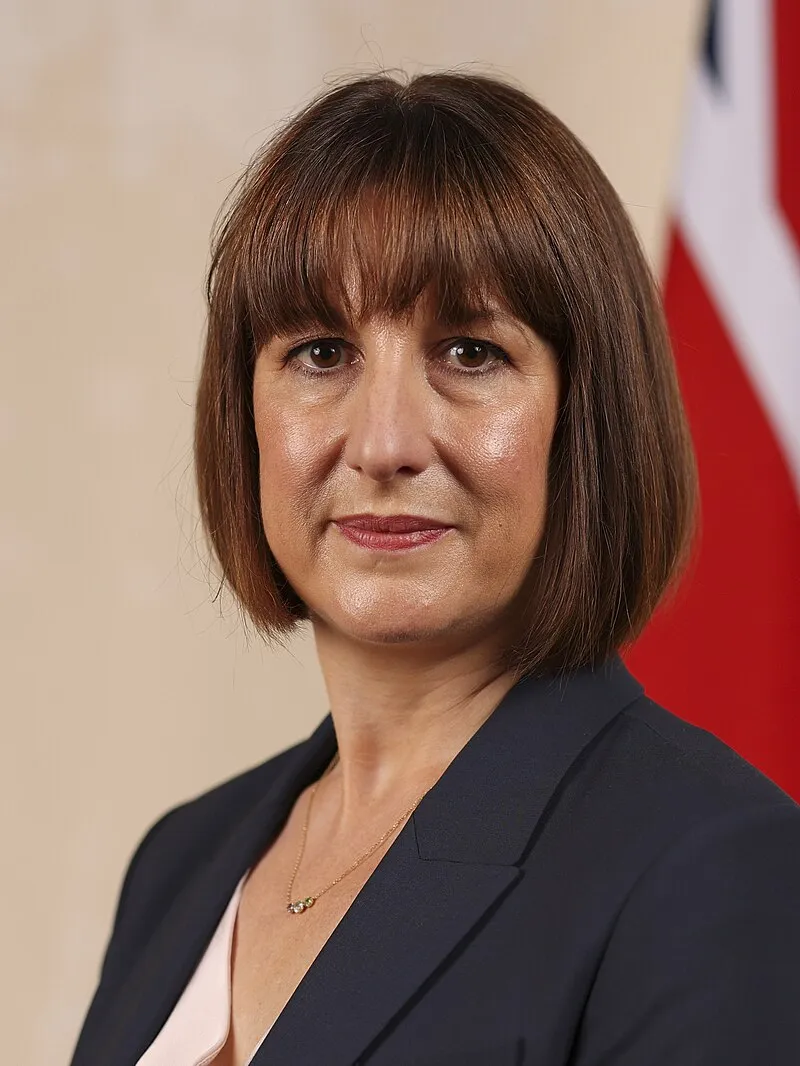
Photo of Rachel Reeves, via Wikimedia Commons
In November 2022, the then-Chancellor Jeremy Hunt announced that the main income tax personal allowance, the higher-rate threshold and the additional-rate threshold would be frozen until April 2028. The following Autumn Statement, the freeze was extended to 2030. No parliamentary division was fought over it, no campaign was run on it, and most voters were never told its true scale. Yet the Office for Budget Responsibility has been clear about the arithmetic: freezing thresholds while nominal wages rise delivers the largest sustained increase in the tax burden as a share of the economy since the Second World War, with the overall burden heading towards a post-war high.
How the Machine Works
The mechanism is called fiscal drag, and it is elegantly dishonest. Inflation pushes wages up in cash terms; the thresholds stay fixed; more people are dragged into paying tax, and millions more into paying higher rates. The OBR's own analysis of the 2021 freeze (announced by Rishi Sunak) estimated it would bring over a million extra people into income tax and push more than a million into the higher-rate band — and that was before inflation made things dramatically worse. Independent estimates now suggest the combined freezes will raise tens of billions of pounds a year by the end of the decade, with the number of higher-rate taxpayers having swelled by millions since 2021.
Retirees are hit with particular cruelty. The triple lock raises the state pension in line with earnings or inflation, whichever is highest — and the new state pension has now climbed past the £12,570 personal allowance. From April 2027, after the 0.5 per cent uprating adjustment, pensioners will for the first time pay income tax on part of their state pension. These are people who saved all their lives on the promise of modest security, now taxed by stealth on a pension they were told was theirs.
The Case for the Freeze — Examined
Chancellors of both parties defend the policy with a reasonable-sounding argument: freezing thresholds is less economically damaging than raising headline rates, it avoids discouraging work or investment at the margin, and it was a necessary response to borrowing peaking at around 17 per cent of GDP during the pandemic. Fiscal honesty requires acknowledging the hole that had to be filled.
But the defence collapses under scrutiny. Dragging part-time workers, nurses and police sergeants into the 40p band does discourage work at the margin — it just does so invisibly. And the political economy is corrosive: a tax system that rises automatically, without any minister having to stand up and vote for it, severs the link between consent and taxation that underpins democratic accountability. If a tax rise is worth imposing, it should be worth announcing. If it is not worth announcing, it should not be imposed.
What Honesty Would Look Like
A party serious about conservatism should commit to three things: unfreezing the thresholds as fiscal conditions allow and legislating a binding path to do so; requiring the OBR to publish a dedicated annual statement of all stealth taxation — frozen thresholds, frozen allowances, non-uprated duties — so voters can see the true cost; and ending the practice of legislating tax rises years in advance so the bill lands after an election. The Conservatives' own record on this is not clean, which is precisely why the next generation of the party must own the failure and fix it.
The verdict: a state that taxes its people by sleight of hand forfeits the right to be trusted with another penny.