A Fleet in Retreat, A Bureaucracy in Bloom
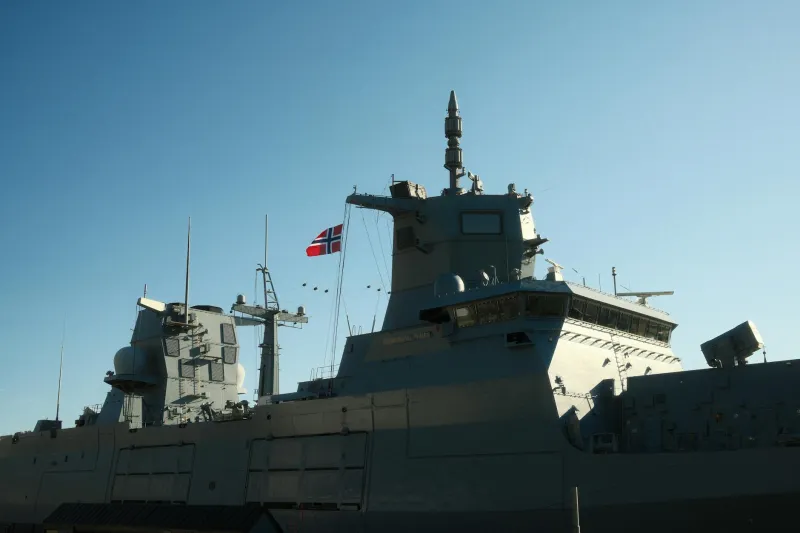
The Royal Navy today operates just 19 destroyers and frigates to patrol the waters around Britain and project power globally. For context, that's fewer frontline surface combatants than the Argentine Navy possessed during the Falklands War. Yet while our fleet shrinks, the Ministry of Defence has expanded its sustainability and diversity apparatus to include over 300 environmental compliance officers, carbon reduction specialists, and equality and inclusion coordinators across the armed forces.
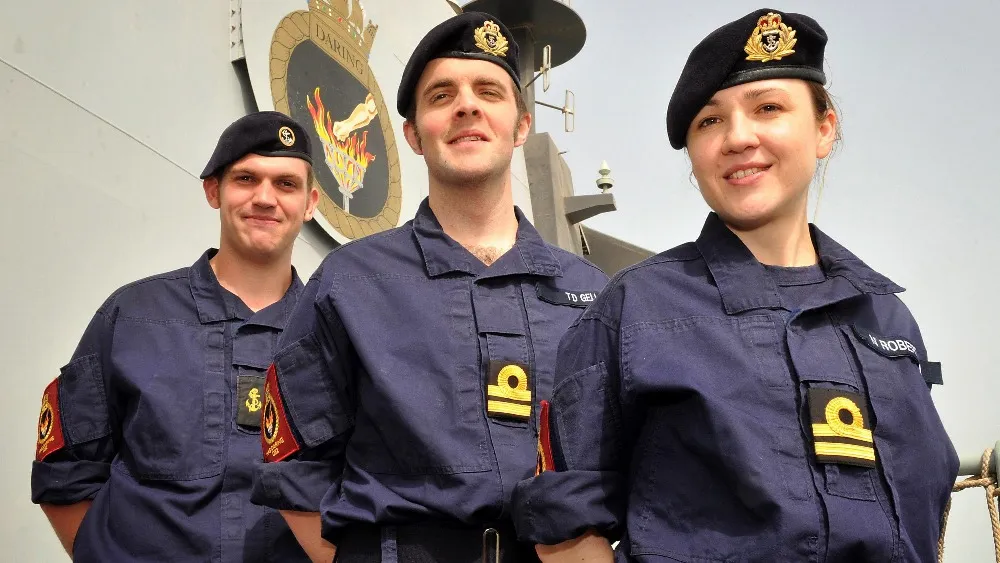 Photo: Royal Navy, via news.images.itv.com
This is the curious mathematics of modern British defence policy: as our actual warfighting capability diminishes, our commitment to fighting climate change intensifies. The Royal Navy's own website proudly announces its "Net Zero by 2050" pledge, complete with solar panels on shore facilities and electric vehicle charging points at naval bases. Meanwhile, HMS Queen Elizabeth, our flagship aircraft carrier, recently completed a deployment with a reduced air wing because we lack sufficient aircraft to fill it.
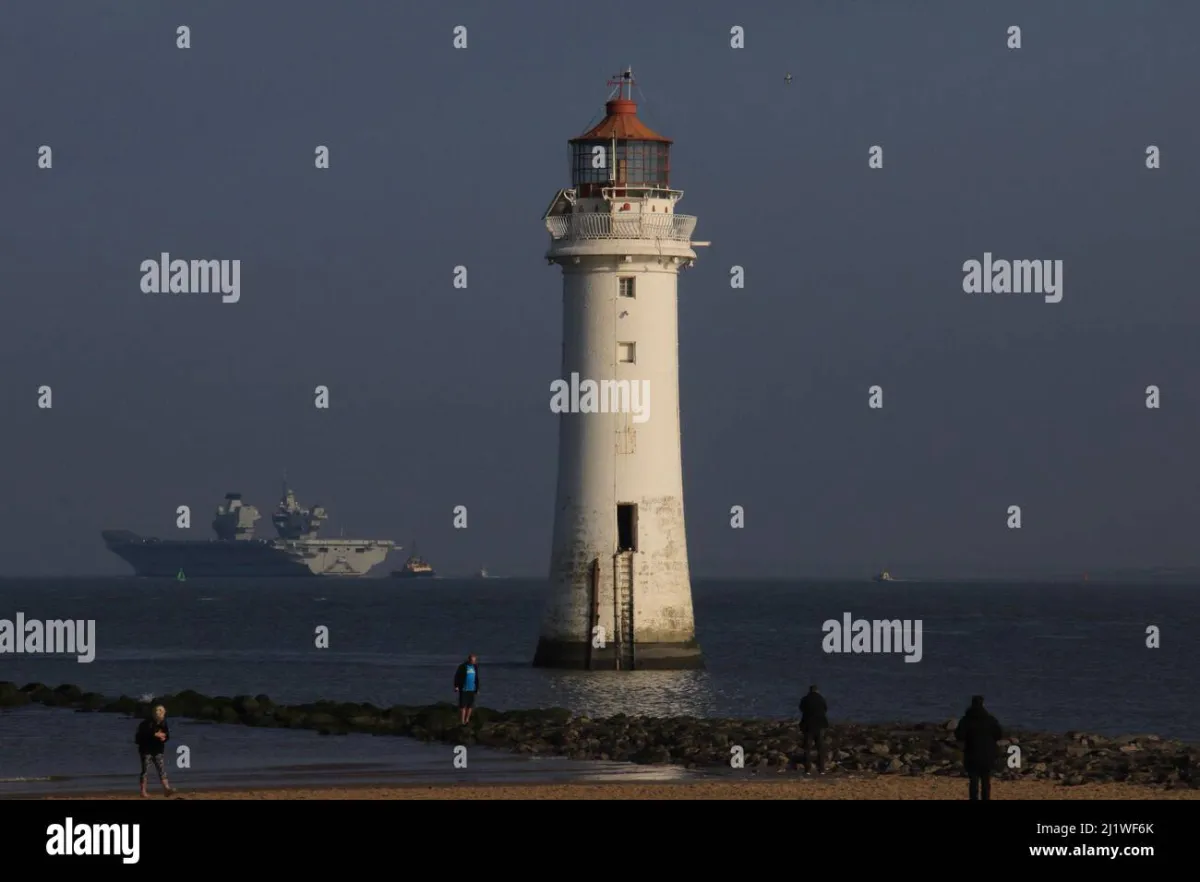 Photo: HMS Queen Elizabeth, via c8.alamy.com
Green Targets, Shrinking Forces
The numbers tell a sobering story. Since 1997, the Royal Navy has lost two-thirds of its surface fleet. We've gone from 35 destroyers and frigates to 19, while our submarine fleet has contracted from 16 boats to 11. Personnel numbers have fallen from 44,000 to 33,000 active sailors. Yet the MoD's 2023 sustainability report runs to 87 pages and details everything from biodiversity action plans to carbon footprint assessments for military exercises.
The Army tells a similar tale. We field fewer than 75,000 regular soldiers—the smallest land force since the Napoleonic Wars—but the MoD employs specialist teams dedicated to "climate resilience planning" and "environmental impact mitigation." The RAF operates just 119 fast jets compared to over 400 in 1990, yet maintains a dedicated Climate Change and Sustainability Team that produces quarterly reports on emissions reduction.
This isn't about opposing environmental responsibility in principle. It's about recognising that a nation's first duty is to defend itself, and that environmental initiatives ring rather hollow if you lack the military capability to protect your territory in the first place.
The Diversity Dividend That Never Materialises
Alongside the green agenda, the armed forces have embraced wholesale the diversity and inclusion industry. Each service branch now maintains dedicated EDI departments, complete with specialist advisors, training programmes, and monitoring systems. The Army's website features prominent sections on "Equality, Diversity and Inclusion" and "Pride in the Army," while recruitment campaigns emphasise emotional intelligence over physical capability.
The Royal Navy has appointed "Diversity and Inclusion Champions" throughout its command structure and mandates unconscious bias training for all personnel. These initiatives consume both time and resources that might otherwise be devoted to tactical training, equipment maintenance, or recruitment of the technical specialists our forces desperately need.
Meanwhile, recruitment targets are consistently missed across all three services. The Army is 5,000 soldiers below its already reduced establishment, the Navy struggles to crew its ships adequately, and the RAF faces critical shortages in key technical trades. Perhaps the problem isn't that Britain lacks diverse candidates for military service, but that we've forgotten how to present military service as an attractive proposition for anyone, regardless of background.
The Strategic Consequences
This misallocation of priorities has real-world consequences. When HMS Defender conducted its freedom of navigation operation near Crimea in 2021, it sailed alone—not because of any tactical consideration, but because the Royal Navy lacked sufficient escorts for a proper task group. Our nuclear deterrent relies on submarines that are decades old and increasingly difficult to maintain. Our ability to sustain overseas operations has been severely compromised, as demonstrated by the chaotic withdrawal from Afghanistan.
Yet the MoD continues to produce glossy reports about its environmental initiatives while our actual deterrent capability erodes. The 2023 Defence Command Paper commits to "Net Zero emissions from our estate and operations by 2050" but offers no timeline for restoring our surface fleet to even the minimal levels required for effective maritime patrol.
The Counter-Argument Falls Short
Defenders of current policy argue that climate change represents a "threat multiplier" that demands military attention, and that diverse forces are more effective forces. There's some truth to the first point—climate change may indeed generate future conflicts over resources and create humanitarian crises requiring military intervention.
But this argument misses the fundamental point: you cannot address future threats if you lack the basic capability to handle present ones. A navy that struggles to patrol its home waters today will not become more effective by appointing additional sustainability officers. An army that cannot meet its recruitment targets will not improve by expanding its diversity bureaucracy.
As for diversity improving effectiveness, the evidence remains thin. What improves military effectiveness is rigorous training, adequate equipment, clear command structures, and sufficient numbers. These fundamentals are being neglected while resources flow toward initiatives that may make good headlines but add nothing to our warfighting capability.
Priorities for a Serious Nation
A serious defence policy would reverse these priorities. Environmental considerations should be secondary to operational effectiveness, not driving factors in capability decisions. Diversity initiatives should focus on removing genuine barriers to service rather than creating new bureaucracies to monitor compliance with arbitrary targets.
Most importantly, the armed forces should be judged on their ability to fight and win wars, not on their carbon footprint or demographic composition. Every pound spent on sustainability coordinators is a pound not spent on ammunition, spare parts, or training. Every hour devoted to unconscious bias workshops is an hour not spent on tactical exercises or equipment maintenance.
Britain faces genuine threats from hostile nations that care nothing for our Net Zero pledges or our commitment to workplace diversity. They measure military capability in ships, planes, tanks, and trained personnel—metrics by which our forces are demonstrably weaker than a generation ago.
The Verdict
A nation that prioritises green credentials over guns, and diversity targets over deterrence, is a nation that has forgotten the basic purpose of its armed forces. The first duty of any government is to defend its people and territory; everything else is luxury. Until Britain remembers this fundamental truth, our enemies will continue to take note of our weakening defences while we congratulate ourselves on our carbon reduction achievements.