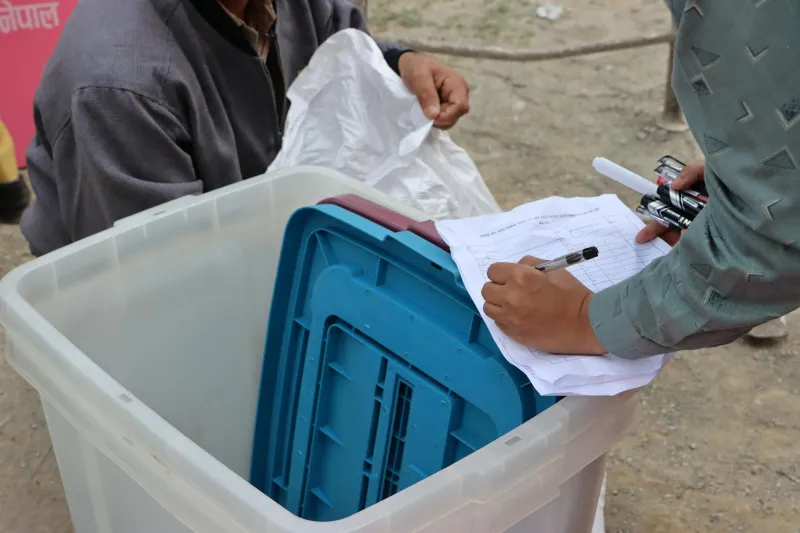
The Postal Vote Timebomb: How Britain's Lax Electoral System Is an Open Invitation to Fraud
While America debates voter ID laws and France restricts postal voting to the genuinely incapacitated, Britain has quietly constructed one of the developed world's most permissive electoral systems. Anyone can request a postal vote for any reason, with verification standards so lax that fraud investigators describe them as "an open door to abuse." This isn't theoretical scaremongering—it's a documented reality that the political establishment refuses to confront.
The Tower Hamlets Precedent
The 2014 Tower Hamlets mayoral election should have been Britain's wake-up call. Election Commissioner Richard Mawrey QC didn't mince words when he voided Lutfur Rahman's victory, describing "electoral malpractice" that would "disgrace a banana republic." The judgment detailed systematic postal vote harvesting, with bundles of ballots completed in the same handwriting and witnesses who couldn't identify the voters they'd supposedly helped.
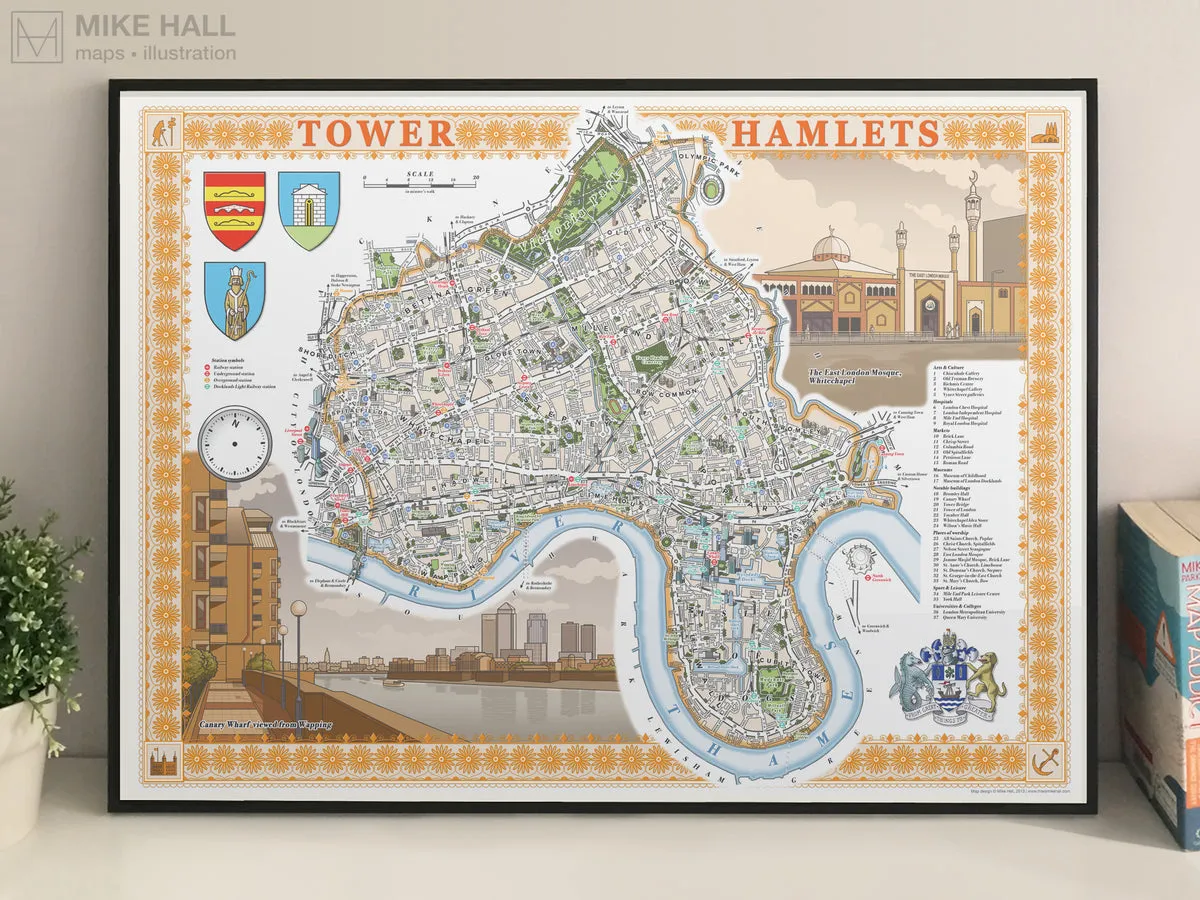 Photo: Tower Hamlets, via shop.thisismikehall.com
 Photo: Lutfur Rahman, via c8.alamy.com
Yet rather than triggering wholesale reform, Tower Hamlets was dismissed as an isolated incident. Rahman was banned from office—only to return as mayor in 2022, his conviction apparently forgotten by voters and overlooked by a system that had learned nothing from its failures.
The Verification Vacuum
Britain's postal voting system operates on an honour system that would embarrass a village fête. Unlike Northern Ireland, where postal votes require photographic ID and personal identifiers, mainland Britain demands only a signature match—often performed by overworked council staff with no forensic training. The Electoral Commission's own research found that 47% of postal vote applications contained discrepancies that should have triggered investigation, yet most sailed through unchallenged.
 Photo: Northern Ireland, via ontheworldmap.com
Consider the absurdity: to open a bank account, you need multiple forms of ID and proof of address. To cast a vote that could determine the government, you need only claim you'll be "away from your polling station" on election day. No evidence required, no questions asked.
International Embarrassment
France restricts postal voting to the seriously ill and those living abroad. Germany requires notarised applications. Even the United States—supposedly the poster child for lax electoral security—has tighter verification in most states than Britain manages.
The Organisation for Security and Co-operation in Europe has repeatedly criticised Britain's postal voting system, noting the absence of "adequate safeguards against fraud." When international observers question your electoral integrity, you know something has gone seriously wrong.
The Scale of the Problem
Postal votes now account for roughly 20% of all ballots cast in general elections—up from just 2% before the 2001 reforms that removed the requirement for a valid reason. In some constituencies, particularly those with large South Asian populations, postal voting rates exceed 40%. This isn't necessarily evidence of fraud, but it creates opportunities that didn't exist when most people voted in person.
The Electoral Commission has recorded over 600 cases of alleged electoral fraud since 2010, with postal voting featuring in the majority. Yet prosecutions remain rare, conviction rates lower still. This isn't because the allegations lack merit—it's because proving postal vote fraud requires resources and expertise that most police forces lack.
The Establishment's Blind Spot
Why does Britain tolerate electoral standards that would shame a developing democracy? The answer lies in a peculiar form of progressive blindness that equates electoral security with voter suppression. Mention voter ID requirements, and you'll be accused of disenfranchising the poor and elderly. Suggest tightening postal vote verification, and you're apparently targeting disabled voters.
This is intellectual dishonesty masquerading as compassion. Northern Ireland introduced photographic voter ID after years of sectarian electoral fraud—did democracy collapse? Did the poor stop voting? Of course not. Turnout remained stable while public confidence in elections increased.
The Conservative Case for Reform
Electoral integrity isn't a partisan issue—it's the foundation of democratic legitimacy. Every fraudulent vote cancels out a legitimate one. Every unverified postal ballot undermines public confidence in the system. When voters suspect the game is rigged, democracy itself suffers.
The solution isn't complex. Require photographic ID for postal vote applications. Mandate witness verification with penalties for false attestation. Allow postal votes only for genuine reasons—medical incapacity, overseas residence, or unavoidable absence. Introduce random audits and meaningful penalties for electoral fraud.
Critics will shriek about disenfranchisement, but this is projection. The real disenfranchisement occurs when legitimate voters lose faith in the system because they know it can be gamed. The real voter suppression happens when fraudulent ballots dilute honest voices.
Time for Action
Britain's electoral system operates on Victorian assumptions in a digital age. We assume good faith in an era of sophisticated fraud. We trust signatures in an age of identity theft. We treat postal voting as a convenience rather than the exception it should be.
Other democracies learned these lessons the hard way and reformed their systems accordingly. Britain has had its warning—Tower Hamlets was just the tip of the iceberg. The question isn't whether electoral fraud exists in Britain, but whether we'll act before it undermines democracy itself.
The integrity of the ballot box is too precious to leave to chance—and too important to sacrifice on the altar of progressive sensibilities.