
The Silent Constitutional Revolution
Britain is experiencing a constitutional revolution, but unlike the dramatic upheavals of 1688 or 1832, this transformation is happening quietly in courtrooms across the land. Senior judges, emboldened by human rights legislation and a legal culture increasingly detached from democratic accountability, are systematically expanding their power to override parliamentary decisions. What began as legitimate judicial review has metastasised into judicial activism on a scale that would have horrified the architects of our constitutional settlement.
The evidence is overwhelming and accelerating. In recent years, the Supreme Court has struck down the government's attempts to prorogue Parliament, rewritten immigration law to prevent deportations, and invented new constitutional principles that exist nowhere in statute or precedent. Lower courts routinely frustrate government policy through creative interpretation of human rights law, while judicial review applications have exploded from 4,000 annually in the 1990s to over 15,000 today. The message is clear: elected politicians propose, but unelected judges dispose.
 Photo: Supreme Court, via static01.nyt.com
The Human Rights Act: Trojan Horse for Judicial Supremacy
The root of this crisis lies in the Human Rights Act 1998, which imported the European Convention on Human Rights into domestic law and gave judges unprecedented power to second-guess parliamentary decisions. Sold as a modest reform that would simply "bring rights home", the Act has become a charter for judicial activism that its architects either failed to foresee or deliberately concealed.
Consider the Immigration Act 2014, which contained explicit provisions allowing the Home Secretary to deport foreign criminals before their appeals were heard. Parliament's intention was crystal clear: public safety trumped the convenience of foreign offenders. Yet in a series of rulings, judges have effectively neutered these provisions by interpreting "exceptional circumstances" so broadly that virtually any sob story qualifies. The result? Dangerous criminals remain at liberty while their taxpayer-funded lawyers concoct ever more creative reasons why deportation would breach their human rights.
The Supreme Court's intervention in the prorogation crisis of 2019 represents perhaps the most egregious example of judicial overreach in modern British history. In Miller v Prime Minister, the court invented a new constitutional principle — that prorogation could be unlawful if its purpose was to frustrate Parliament — that had no basis in law, precedent, or constitutional practice. The decision was political activism dressed up as legal reasoning, and it fundamentally altered the balance of power between the executive and judiciary.
The Progressive Legal Establishment
This judicial activism doesn't occur in a vacuum. It reflects the ideological capture of the legal establishment by progressive orthodoxies that view traditional British institutions with suspicion and international human rights law as morally superior to domestic democratic decisions. The same lawyers who spent decades arguing that British courts should defer to European human rights jurisprudence now populate the senior judiciary, bringing with them a worldview that sees judicial intervention as enlightened correction of democratic failures.
Law schools reinforce this mindset, teaching students that judges are guardians of fundamental rights against majoritarian tyranny rather than servants of the law as enacted by Parliament. The bar and solicitors' profession, increasingly dominated by graduates from elite universities where progressive assumptions go unchallenged, provides a conveyor belt of activists masquerading as advocates. Professional bodies like the Bar Council and Law Society have abandoned any pretence of political neutrality, regularly campaigning against government policy on everything from legal aid to immigration.
The result is a legal ecosystem that rewards judicial activism and punishes restraint. Judges who expand rights and frustrate government policy are celebrated as progressive heroes, while those who defer to parliamentary sovereignty are dismissed as reactionary relics. The incentive structure is clear: judicial careers are made by creative interpretation, not constitutional humility.
The Threat to Democratic Governance
The consequences of this judicial activism extend far beyond individual cases. When courts can effectively rewrite legislation through creative interpretation, the democratic process becomes meaningless. Why should MPs spend months debating the precise wording of bills when judges can simply ignore inconvenient provisions? Why should voters care about manifesto commitments when unelected judges can veto policies they dislike?
The immigration system provides a perfect case study. Parliament has repeatedly passed laws designed to speed up deportations and reduce frivolous appeals, reflecting clear public demand for tougher enforcement. Yet the courts have systematically undermined these reforms, creating a parallel appeals process through judicial review that can delay deportations for years. The result is a system where parliamentary sovereignty exists on paper but judicial supremacy operates in practice.
This dynamic is particularly corrosive because it operates through accumulation rather than dramatic confrontation. Each individual ruling may seem reasonable in isolation, but collectively they represent a fundamental shift in constitutional power. Parliament retains the theoretical right to legislate, but judges determine what that legislation actually means — a distinction without a difference.
The International Dimension
Britain's judicial activism problem is exacerbated by our entanglement with international legal systems that explicitly reject the primacy of democratic decision-making. The European Court of Human Rights in Strasbourg operates as a supranational supreme court, issuing binding judgments that override domestic law and democratic choices. British judges, trained to see international human rights law as the gold standard, increasingly use domestic courts to anticipate and enforce Strasbourg jurisprudence even when it conflicts with clear parliamentary intent.
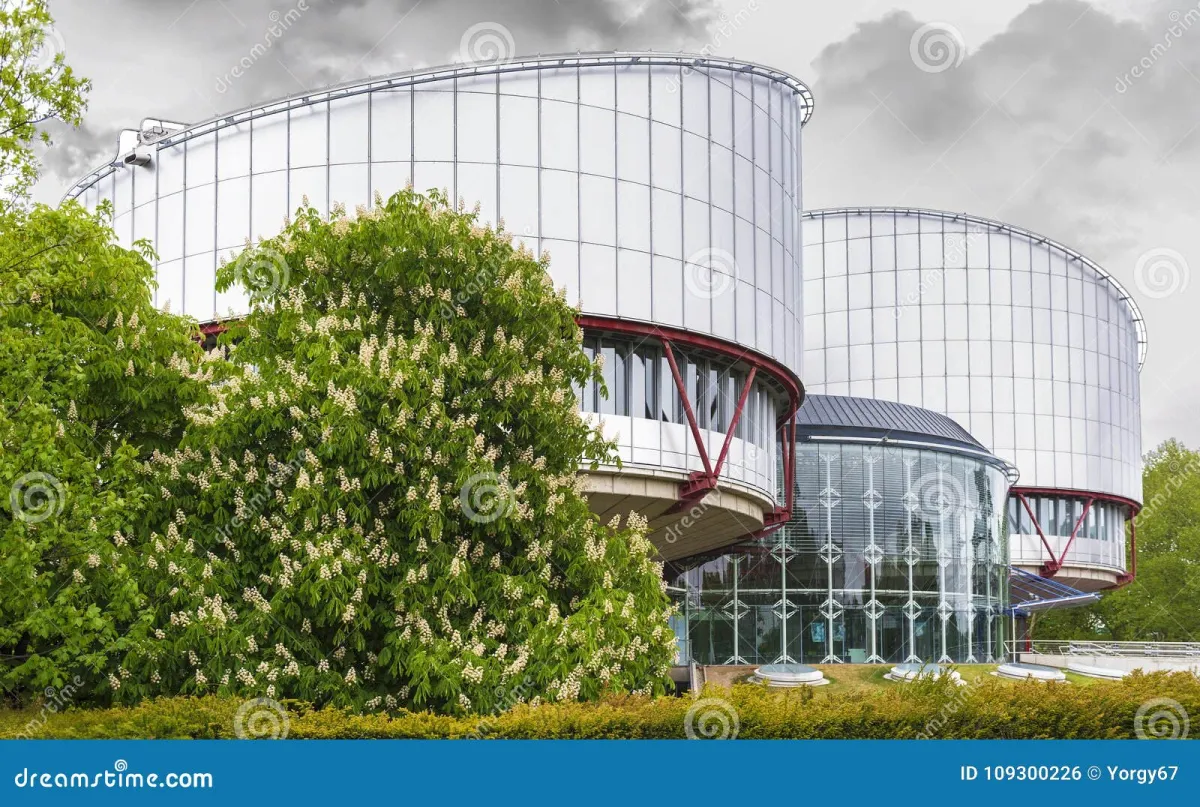 Photo: European Court of Human Rights, via thumbs.dreamstime.com
This creates a constitutional absurdity where British courts can strike down British laws based on the theoretical disapproval of foreign judges who have never faced a British electorate. The Rwanda deportation scheme, explicitly authorised by Parliament through the Safety of Rwanda Act 2024, was nevertheless frustrated by courts citing potential future Strasbourg interventions. The message to voters is clear: your democratic choices matter less than the opinions of unelected international bureaucrats.
The Case for Judicial Reform
Conservatives who value parliamentary sovereignty and democratic accountability must confront this crisis before it becomes irreversible. Reform should focus on three key areas: restricting the scope of judicial review, clarifying the relationship between domestic and international law, and restoring democratic accountability to judicial appointments.
First, Parliament should pass legislation explicitly limiting judicial review to questions of procedural propriety and legal authority, excluding policy merits and human rights considerations except in the most extreme circumstances. The Administrative Court should be renamed and restructured to emphasise its subordinate role to elected government.
Second, the Human Rights Act should be repealed and replaced with a British Bill of Rights that explicitly preserves parliamentary sovereignty and limits judicial interpretation. International treaty obligations should be matters for the executive and legislature, not judicial enforcement.
Third, senior judicial appointments should be subject to parliamentary confirmation hearings that examine candidates' judicial philosophy and commitment to constitutional restraint. The current system of self-selecting legal elites appointing like-minded successors is a recipe for institutional capture.
Restoring Constitutional Balance
The choice facing Britain is stark: restore the primacy of parliamentary democracy or accept the gradual transformation of our constitutional system into judicial oligarchy. Those who dismiss concerns about judicial activism as paranoid conservatism should explain why unelected judges are better placed to make policy decisions than elected representatives accountable to voters.
Democracy without accountability is meaningless, and accountability without the power to change course is a sham — judicial activism undermines both, and constitutional government hangs in the balance.