The Sewage Scandal That Shames a Nation
Britain's waterways are dying, and we know exactly who killed them. Over the past decade, water companies have discharged raw sewage into our rivers and coastal waters more than 3.6 million times, transforming once-pristine waterways into ecological disaster zones. Thames Water alone dumped untreated waste for over 72,000 hours in 2022, while Southern Water has been fined repeatedly for what judges called 'shocking and wholesale disregard' for environmental obligations.
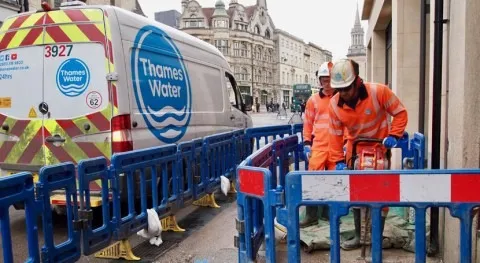 Photo: Thames Water, via smartwatermagazine.com
Yet the real scandal isn't corporate greed — it's regulatory failure on an industrial scale. While executives at these monopoly utilities extracted £72 billion in dividends and bonuses since privatisation, the quango state that was supposed to hold them accountable stood by and watched Britain's natural heritage get flushed down the drain.
The Regulatory Racket
The Environment Agency and Ofwat — those twin monuments to bureaucratic incompetence — have presided over the systematic destruction of our water environment while collecting handsome salaries for the privilege. The EA, with its £1.2 billion annual budget and 10,000 staff, managed just 14 prosecutions for water pollution in 2022 despite thousands of illegal discharges. Ofwat, meanwhile, has consistently approved price rises while turning a blind eye to underinvestment in infrastructure.
This isn't market failure — it's state failure. The regulatory framework created perverse incentives where water companies could socialise costs while privatising profits, safe in the knowledge that toothless quangos would issue stern letters rather than meaningful sanctions. When Southern Water was finally prosecuted for dumping 21 billion litres of raw sewage, the £90 million fine was barely a rounding error against years of extracted dividends.
The Nationalisation Non-Solution
Labour's response? Hand control back to the same Whitehall machine that created this mess in the first place. Renationalisation is the lazy politician's answer to regulatory capture — instead of fixing the accountability deficit, simply absorb the problem into the state and hope voters forget who's responsible when the next crisis hits.
But state ownership is no guarantee of environmental protection. British Waterways managed to pollute our canals for decades under direct government control, while the old regional water authorities were hardly paragons of environmental stewardship. The Thames was declared biologically dead in the 1950s under state management — it only recovered after privatisation brought investment in sewage treatment.
What Real Reform Looks Like
The conservative solution isn't to defend corporate misconduct, but to demand that contracts mean something and regulations have teeth. Water companies hold legal licences to operate — licences that should be revoked when they systematically breach environmental standards. Instead of endless consultation and negotiation, regulators should wield the ultimate sanction: loss of operating rights.
Second, scrap the byzantine regulatory structure that allows companies to play Ofwat against the Environment Agency while both blame each other for inaction. Create a single water regulator with clear environmental duties and the power to impose criminal liability on directors who oversee systematic pollution. Make executives personally liable for environmental crimes, not just corporate entities that can absorb fines as a cost of doing business.
Third, where genuine competition is possible — in water retail and some aspects of treatment — break up the regional monopolies that have grown fat on captive customers. The threat of losing market share concentrates minds more effectively than any regulator.
The Real Environmental Crime
The tragedy is that Britain once led the world in environmental protection. The Clean Air Act of 1956 showed what determined government action could achieve. The Thames cleanup in the 1960s and 70s proved that industry and environment could coexist with proper enforcement. But somewhere along the way, we replaced accountability with bureaucracy and enforcement with consultation.
Today, our rivers run brown with sewage while water company shareholders count their dividends and regulators draft their next consultation document. The chalk streams of Hampshire — some of the rarest ecosystems on Earth — are choking on algae blooms fed by untreated waste. The Wye, once famous for its salmon runs, is now a byword for ecological collapse.
Beyond the Blame Game
This isn't about left versus right — it's about competence versus failure. Conservative principles demand that markets operate within the rule of law, that monopolies be held accountable, and that contracts be enforced. When regulators allow systematic breach of environmental standards while companies extract billions in profits, that's not capitalism — it's cronyism.
The path forward requires abandoning the comfortable fiction that more regulation equals better outcomes. What matters isn't the volume of rules but their enforcement. A single, clearly enforced standard backed by meaningful sanctions would do more for water quality than a thousand pages of guidance documents.
Britain's waterways can be restored, but only if we're willing to hold both companies and regulators accountable for their failures. The alternative is a nation that once ruled the waves watching helplessly as its rivers turn to sewers — a fitting metaphor for a country that has forgotten how to govern itself.
When contracts become suggestions and regulations become recommendations, the only certainty is that someone else will pay the price for institutional failure.