The Green Belt Betrayal: How Labour Is Concreting Over the Countryside While Calling It a Housing Revolution

The Great Green Belt Con
Labour's housing revolution has a dirty secret: it requires concreting over the very landscapes that make England worth living in. Under the banner of 'grey belt' development, Keir Starmer's government is preparing to sacrifice thousands of acres of protected countryside to hit arbitrary housing targets that bear no relationship to actual demand or local need.
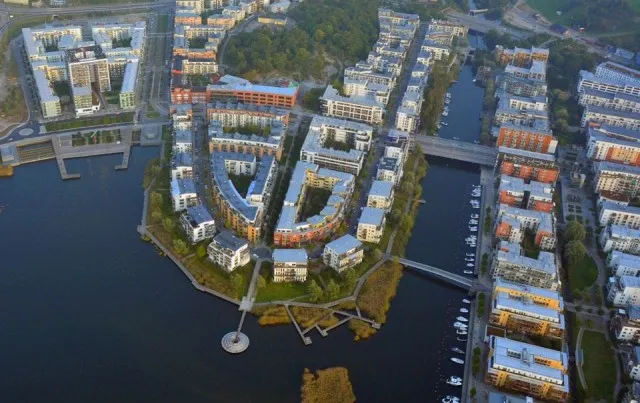 Photo: Green Belt, via urbanistarchitecture.co.uk
The policy, unveiled as part of Labour's broader planning reforms, redefines portions of Green Belt land as 'grey belt' — supposedly degraded areas within the protected zone that can be released for development. What sounds like careful environmental stewardship is actually the thin end of a very large wedge, giving developers and local councils carte blanche to redesignate countryside as wasteland whenever housing targets demand it.
Targets Over Truth
The numbers tell the story Labour doesn't want you to hear. The government has imposed a target of 1.5 million new homes over five years, distributed through mandatory local housing targets that bear little resemblance to actual local demand. Areas like Surrey and the Home Counties — where Green Belt protection is most crucial — face the highest requirements, forcing councils to choose between central government sanctions and local environmental destruction.
This isn't evidence-led policymaking; it's ideology dressed up as pragmatism. The 'grey belt' designation allows Labour to claim they're not really building on Green Belt while doing exactly that. Golf courses, playing fields, and agricultural land suddenly become 'previously developed' if they contain so much as a single building or hard surface. It's semantic sleight of hand that would make Orwell proud.
The Real Housing Crisis
Labour's Green Belt assault wouldn't matter if it actually solved Britain's housing crisis. But the evidence suggests it will do nothing of the sort. The real constraints on housing supply aren't land availability — they're planning bureaucracy, infrastructure bottlenecks, and a construction industry strangled by regulation.
Consider the facts: England has plenty of brownfield sites that remain undeveloped, not because of land shortage but because of the eye-watering complexity and cost of the planning system. A typical housing development faces years of consultation, environmental assessment, and legal challenge before a single brick is laid. Building on Green Belt — sorry, 'grey belt' — doesn't change any of that.
Meanwhile, the infrastructure required to support these new developments simply doesn't exist. Roads, schools, GP surgeries, and utilities are already stretched to breaking point in the areas targeted for mass development. Labour's policy amounts to dumping hundreds of thousands of new residents into communities that can't cope, while destroying the countryside that makes those communities attractive in the first place.
The Democratic Deficit
Perhaps most troubling is how Labour's housing targets override local democracy. Communities that have spent decades carefully managing their growth through neighbourhood plans and local development frameworks now find themselves subject to central diktats that ignore local wishes entirely.
The Green Belt wasn't created by accident. It represents a democratic choice, made over generations, to preserve the character and environment that makes England distinctive. Labour's 'grey belt' policy doesn't just override that choice — it pretends the choice never mattered in the first place.
Local councils that resist face government intervention and the loss of local planning powers. It's central planning in all but name, wrapped in the language of 'delivering for working families' and 'getting Britain building'. The reality is more prosaic: Labour needs to be seen to be doing something about housing, and countryside destruction is easier than tackling the real causes of the crisis.
Market Solutions vs Political Theatre
A genuinely conservative approach to housing would start with the obvious: remove the regulatory barriers that prevent private developers from meeting demand. Streamline planning permissions, reduce the burden of environmental assessments for brownfield sites, and allow local communities to capture more of the value created by development through infrastructure levies.
Instead of imposing top-down targets, government should focus on creating the conditions where housing supply can respond to actual demand. That means reforming the planning system, not bypassing it. It means working with local communities, not overruling them. And it means protecting the countryside that future generations will never get back, not sacrificing it for short-term political gain.
The Price of Progressive Priorities
Labour's Green Belt betrayal reveals something important about progressive governance: when ideology meets reality, the countryside always loses. The same mindset that sees traditional communities as obstacles to progress views England's protected landscapes as luxuries the country can't afford.
But the Green Belt isn't a luxury — it's a necessity. It provides the lungs that allow our cities to breathe, the food security that protects our independence, and the natural beauty that makes England worth defending. Once it's gone, it's gone forever.
The Path Forward
The Conservative Party's response to Labour's countryside assault must be unequivocal: the Green Belt is not for sale. Any future Conservative government must commit to reversing these changes and restoring proper protection to England's rural landscapes.
More importantly, Conservatives must offer a genuine alternative — one that delivers homes without destroying heritage, meets housing need without overriding local democracy, and trusts markets rather than central planners to solve the problems government created.
Labour calls this a housing revolution, but revolutions destroy more than they create — and England's countryside deserves better than becoming collateral damage in Keir Starmer's war on planning common sense.