
When Politics Trumps Policing
Britain's police forces are facing a recruitment crisis of their own making. Across the country, from the Metropolitan Police to Greater Manchester Police, forces are systematically lowering standards and fast-tracking candidates through training programmes — not because they're the best applicants, but because they tick the right demographic boxes.
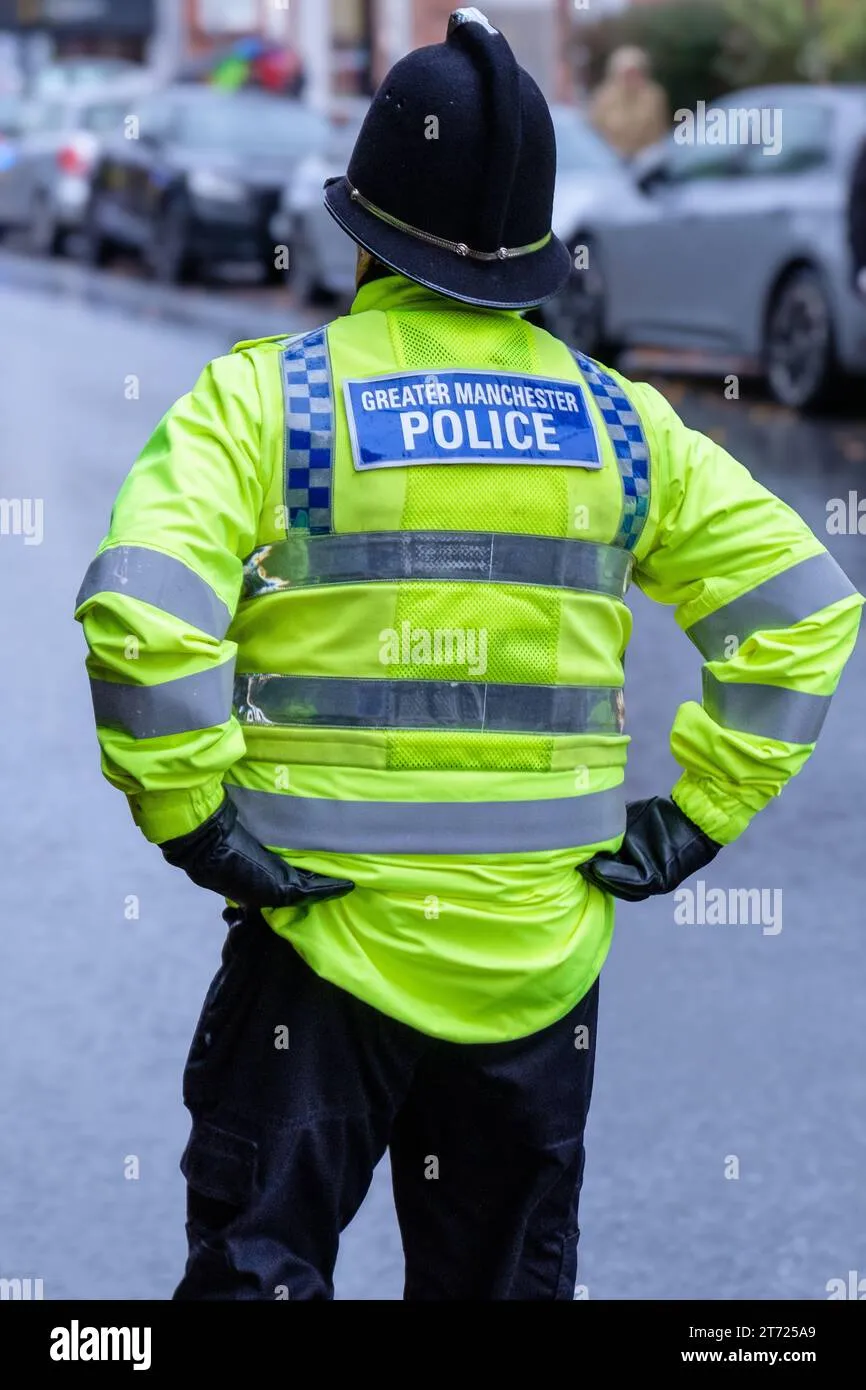 Photo: Greater Manchester Police, via c8.alamy.com
 Photo: Metropolitan Police, via online.fliphtml5.com
The College of Policing's 'Police Race Action Plan' has set explicit targets for ethnic minority recruitment, whilst chief constables compete to demonstrate their progressive credentials through hiring quotas that prioritise identity over ability. The result? Officers who cannot pass basic fitness tests, struggle with literacy requirements, or fail standard vetting procedures are being pushed through the system in the name of diversity.
 Photo: College of Policing, via dynamicboards.co.uk
This isn't theoretical. Multiple forces have documented cases of candidates being given additional attempts at fitness tests, extended time for written assessments, or expedited through background checks that would normally disqualify applicants. The Metropolitan Police alone has seen a 40% increase in training extensions and remedial support programmes since implementing its diversity recruitment drive.
The Merit Principle Under Siege
The fundamental principle that should govern police recruitment is simple: the public deserves the most capable officers, regardless of their background. When a violent criminal is threatening your family, you want the officer responding to be there because they were the best candidate for the job — not because they helped fill a quota.
Yet the College of Policing's Equality, Diversity and Inclusion framework explicitly encourages forces to use 'positive action' measures that effectively create different standards for different groups. This includes targeted recruitment campaigns, mentoring programmes that provide additional support to minority candidates, and assessment processes that are adjusted to account for 'cultural differences'.
The irony is palpable. An institution that demands the highest standards of integrity from the public it serves is systematically compromising its own standards in pursuit of statistical equality. Every competent candidate passed over because they don't fit the demographic profile is not just a personal injustice — it's a betrayal of the communities those officers would have served.
The Safety Dividend of Standards
Policing is not an office job where mediocrity might be hidden in committee meetings and PowerPoint presentations. Officers face life-or-death situations where physical fitness, mental acuity, and sound judgment can mean the difference between public safety and catastrophe.
When Greater Manchester Police relaxed fitness requirements as part of their diversity push, they weren't just making a symbolic gesture — they were potentially compromising their ability to pursue suspects, control violent situations, or protect vulnerable members of the public. When forces expedite vetting procedures to meet recruitment deadlines, they risk placing individuals with questionable backgrounds in positions of significant authority.
The public safety implications extend beyond individual incidents. Police legitimacy depends on public confidence, and that confidence erodes when communities perceive that officers earned their positions through demographic characteristics rather than professional competence. This damages police-community relations far more than any lack of superficial representation ever could.
The Progressive Counter-Narrative
Advocates of diversity recruitment argue that police forces must 'reflect the communities they serve' and that traditional recruitment methods contain inherent biases that exclude capable minority candidates. They point to historical under-representation and claim that positive action measures simply level the playing field.
This argument fundamentally misunderstands both the purpose of policing and the nature of merit. The police exist to enforce the law and protect the public, not to serve as a demographic mirror of society. A force that is 100% effective at preventing crime and maintaining order serves its community better than one that achieves perfect demographic representation whilst failing at its core mission.
Moreover, the assumption that standard recruitment procedures are inherently biased ignores the possibility that different groups might have different levels of interest in or preparation for police work. Rather than lowering standards, forces should focus on outreach and training programmes that help all candidates meet the same high bar.
The Wider Cultural Reckoning
The police recruitment scandal reflects a broader cultural shift where equality of outcome has replaced equality of opportunity as the governing principle of public institutions. From the NHS to the civil service, organisations are implementing quota systems that prioritise demographic characteristics over professional qualifications.
This represents a fundamental departure from the meritocratic principles that built Britain's institutional strength. When competence becomes secondary to identity, institutional decline becomes inevitable. The police are simply the most visible example of a rot that has spread throughout the public sector.
The political implications are equally significant. As crime rates rise and public confidence in policing falls, voters are beginning to connect the dots between progressive recruitment policies and declining public safety. The Conservative Party's failure to address this issue represents a missed opportunity to demonstrate clear blue water between their commitment to public safety and Labour's obsession with demographic engineering.
The Path Back to Sanity
Reforming police recruitment requires political courage that has been notably absent from recent Conservative governments. Chief constables who implement quota systems should face parliamentary scrutiny. The College of Policing's diversity frameworks should be stripped of any requirements that compromise merit-based selection. Forces should be judged on crime reduction and public satisfaction, not demographic statistics.
Most importantly, politicians must be willing to defend the principle that public safety trumps progressive posturing. Every community — regardless of its ethnic composition — deserves police officers who earned their positions through demonstrated competence, not demographic lottery.
The uniform should be earned, not allocated, and the public's safety should never be sacrificed on the altar of statistical equality.