The New Oligarchy of the Courtroom
Britain faces a constitutional crisis that few have noticed and fewer still understand. While voters cast ballots believing their choices matter, a parallel power structure has emerged that can override democratic decisions with the stroke of a judicial pen. Progressive campaign groups, flush with crowdfunded cash and foundation grants, are turning judicial review into a weapon against elected government—and winning.
The statistics tell a damning story. Since 2019, over 200 judicial review cases have been launched against government immigration policies alone, with success rates exceeding 40%. Behind these challenges stands a network of well-funded activist organisations that have professionalised the art of legal obstruction, turning what should be a last resort into a first line of attack against policies they dislike.
The Machinery of Legal Warfare
Consider the recent case of the Rwanda asylum policy. Before the legislation had even received Royal Assent, campaign groups including Care4Calais and Detention Action had already raised hundreds of thousands through crowdfunding platforms to mount legal challenges. Their war chest, supplemented by grants from organisations like the Joseph Rowntree Foundation and Open Society Foundations, enabled them to hire the most expensive QCs and pursue multiple avenues of attack.
The result? A policy with clear democratic mandate—supported by the Conservative manifesto that won 14 million votes—was effectively neutered by judges responding to arguments funded by donors whose political preferences had been comprehensively rejected at the ballot box. The courts didn't just review the policy's legality; they became the final arbiters of its wisdom, stepping far beyond their constitutional role.
This pattern repeats across policy areas. Planning decisions backed by local councils find themselves overturned after campaigns by environmental groups raise five-figure sums online. Counter-terrorism measures supported by Parliament face immediate challenge from civil liberties organisations with bottomless legal budgets. The democratic process has become merely the opening act; the real decisions happen in courtrooms where money talks loudest.
The Perversion of Constitutional Safeguards
Judicial review was never intended as a parallel legislative chamber. Established to ensure government acts within legal bounds, it has morphed into a mechanism for policy reversal by unelected judges responding to well-funded pressure groups. The transformation represents a fundamental shift in how Britain is governed—from parliamentary democracy to judicial oligarchy.
The activists understand this power perfectly. Internal documents from campaign organisations reveal strategies explicitly designed to "use the courts to achieve policy changes impossible through normal democratic channels." They've industrialised constitutional law, turning judicial review into a production line for progressive outcomes.
Their success stems partly from the courts' expanded interpretation of their own role. Judges increasingly see themselves not as legal technicians but as constitutional guardians empowered to weigh policy merits. The Supreme Court's prorogation judgment in 2019 exemplified this judicial activism, with judges essentially declaring themselves arbiters of parliamentary procedure despite centuries of precedent suggesting otherwise.
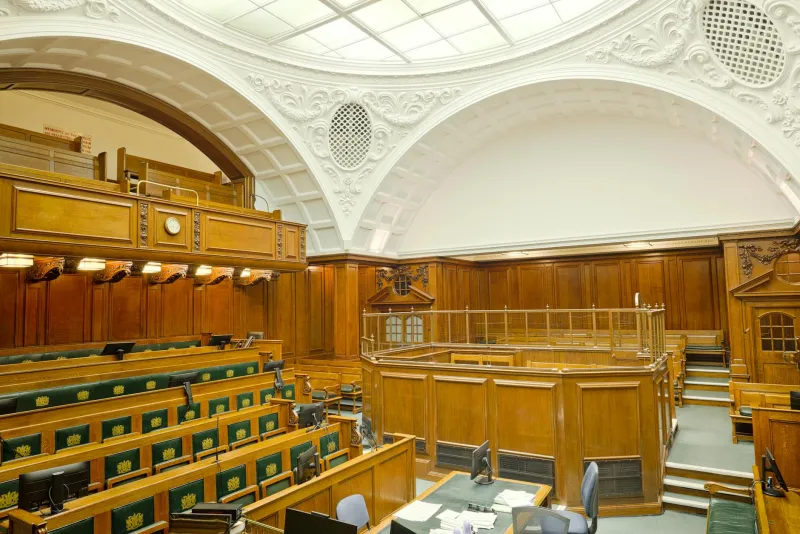
 Photo: Supreme Court, via c8.alamy.com
The Democratic Deficit Deepens
The consequences extend far beyond individual cases. When voters see their choices repeatedly overturned by unelected judges responding to well-funded activists, democratic legitimacy itself erodes. Why participate in elections if the real power lies elsewhere? Why trust parliamentary sovereignty when judicial supremacy reigns?
The disparity in resources makes matters worse. While government must fund its legal defence from stretched departmental budgets, activist groups can crowdfund unlimited war chests from sympathetic donors. A single immigration case can see the Home Office facing multiple challenges from organisations with combined legal budgets exceeding those of entire government departments.
This imbalance corrupts justice itself. Courts become venues for whoever can afford the best advocacy rather than forums for legal principle. The proliferation of interveners—often the same activist groups appearing in multiple cases—turns judicial proceedings into political theatre where progressive voices dominate through sheer financial firepower.
Reform or Constitutional Breakdown
The solution requires courage from politicians who've grown comfortable hiding behind judicial skirts rather than defending their democratic mandate. Judicial review reform must restore the proper constitutional balance, limiting courts to questions of legality rather than policy wisdom.
Specific measures should include: strict standing requirements preventing professional activists from launching challenges on behalf of hypothetical victims; cost protection for government defending democratically-mandated policies; and time limits preventing the indefinite litigation of settled political questions.
Critics will cry authoritarianism, but the opposite is true. Restoring parliamentary sovereignty strengthens democracy by ensuring elected representatives, not unelected judges responding to well-funded pressure groups, make policy decisions. The current system—where crowdfunding platforms effectively determine government policy—represents the real constitutional perversion.
The Choice Before Us
Britain stands at a crossroads. We can continue down the current path, where democracy becomes increasingly meaningless as judicial review transforms into a veto power for whoever raises the most money. Or we can restore constitutional balance, ensuring courts stick to law while politicians handle policy.
The crowdfunded courts represent more than legal activism—they're the infrastructure of post-democratic governance, where money substitutes for votes and judicial preference trumps electoral mandate. Unless reformed, judicial review will complete its transformation from constitutional safeguard to democratic wrecking ball, leaving Britain governed not by the people's representatives but by whoever can afford the best lawyers.