
The Courtroom Becomes the New Battlefield
Across Britain, a quiet revolution is taking place in our courts. Climate litigation—once the preserve of fringe environmental groups—has exploded into a multi-million-pound industry targeting energy companies, manufacturers, airports, and even local councils. Last month alone, three major cases were filed: against Heathrow's third runway expansion, BP's North Sea drilling operations, and Surrey County Council's waste management policies. What unites these disparate targets is not evidence of actual environmental harm, but rather their vulnerability to expensive legal challenges that can tie up projects for years.
This surge in climate lawsuits represents something far more insidious than environmental activism. It is a calculated assault on democratic governance itself, using the courts to impose policies that eco-warriors know they could never win at the ballot box.
Following the Money Trail
Behind this litigation bonanza sits a well-funded network of activist legal groups, many bankrolled by American foundations with deep pockets and deeper political agendas. ClientEarth, one of the most prominent climate litigation specialists, has received millions from the European Climate Foundation and the Packard Foundation. Plan B, another key player, has crowdfunded over £400,000 for its legal challenges against government climate policy.
These groups operate with a simple playbook: identify any project or policy that involves carbon emissions, file a lawsuit claiming it violates the UK's net-zero commitments or human rights obligations, then drag proceedings out for as long as possible. Even when they lose—which they often do—the process itself becomes the punishment. Legal costs routinely run into the hundreds of thousands, while projects face years of uncertainty that can kill investment and jobs.
The recent case against the government's approval of the Jackdaw gas field exemplifies this strategy. Despite the High Court ultimately ruling in favour of the government, the legal challenge delayed the project by eighteen months, adding millions to development costs that will ultimately be passed on to energy consumers.
Democracy by Judicial Decree
What makes this litigation particularly pernicious is its fundamental contempt for democratic decision-making. When Parliament passes energy policy or local councils approve development plans, they do so after extensive consultation, environmental impact assessments, and public debate. Voters can hold their representatives accountable for these decisions at election time.
Climate litigators short-circuit this entire process. They argue that judges—unelected, unaccountable, and typically lacking any technical expertise in energy or environmental science—should have the final say on complex policy trade-offs between economic growth, energy security, and environmental protection. This represents a profound constitutional overreach that should alarm anyone who believes in representative government.
The Supreme Court's recent judgment in the Heathrow case, where it ruled that the government had failed to properly consider its climate commitments, effectively handed environmental groups a judicial veto over infrastructure development. The message to businesses is clear: even if you jump through every regulatory hoop and secure democratic approval, activist lawyers can still derail your project on ever-shifting climate grounds.
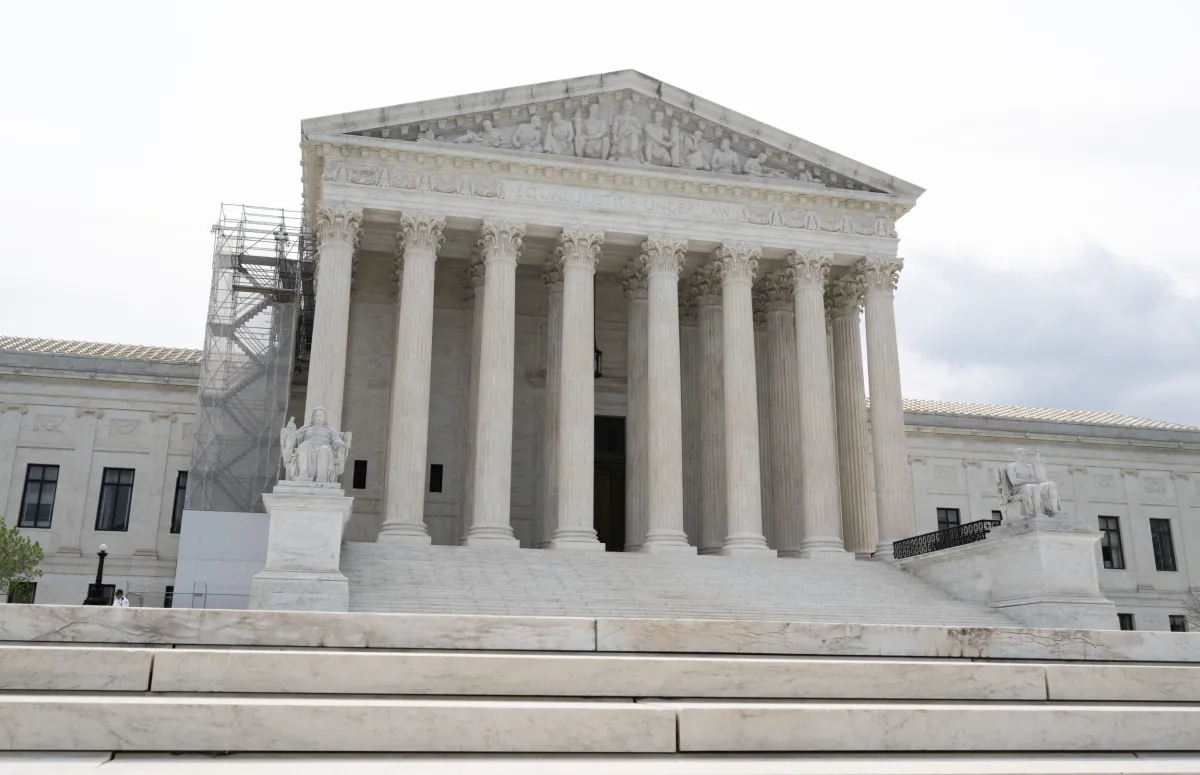 Photo: Supreme Court, via d.newsweek.com
The Economic Toll
The costs of this litigation explosion extend far beyond legal fees. A recent CBI survey found that 73% of major UK manufacturers now factor potential climate litigation into their investment decisions, with many choosing to locate new facilities abroad rather than risk years of court battles. The renewable energy sector—supposedly the beneficiary of climate activism—has been particularly hard hit, with offshore wind projects facing routine legal challenges that can add 20-30% to development timelines.
Local authorities, already struggling with budget pressures, are being forced to hire expensive QCs to defend routine planning decisions. Kent County Council spent over £200,000 defending its waste strategy against a climate challenge that was ultimately unsuccessful. That money could have funded dozens of social workers or repaired hundreds of potholes.
Even when businesses win these cases, they lose. The uncertainty created by potential litigation chills investment, while the precedent that any project can be challenged on climate grounds creates a permanent sword of Damocles hanging over British industry.
The International Template
This judicial activism is not uniquely British. Climate litigation has exploded globally, with over 2,000 cases filed worldwide in the past decade. The template is remarkably consistent: activist groups backed by international funding target democratic institutions and private companies, claiming that climate science gives them the right to override elected representatives.
In the Netherlands, the Urgenda case forced the government to accelerate its emissions reduction targets based on a judicial interpretation of human rights law. In Germany, climate activists successfully challenged the government's climate framework, demanding more aggressive action. The common thread is the elevation of judicial opinion over democratic mandate.
Britain's common law system makes it particularly vulnerable to this form of judicial activism. Unlike continental European systems with more rigid separation of powers, our courts have traditionally shown greater willingness to review government policy decisions. Climate litigators are exploiting this flexibility to turn judges into super-legislators.
Fighting Back
The government's response to this litigation wave has been characteristically weak. Rather than defending the principle of democratic governance, ministers have largely acquiesced to judicial overreach, treating adverse court judgments as binding policy directives rather than legal interpretations to be challenged or legislated around.
A conservative response would start with transparency. Climate litigation groups should be required to disclose their funding sources, particularly foreign contributions. If American foundations want to influence British energy policy through the courts, voters deserve to know about it.
Parliament should also consider legislative responses that restore democratic primacy over climate policy. The Climate Change Act already provides a comprehensive framework for emissions reduction—courts should not be second-guessing policy choices made within that framework based on activist interpretations of international law.
Most fundamentally, conservatives must defend the principle that complex policy trade-offs should be made by elected representatives, not unelected judges responding to well-funded pressure groups.
The Broader Stakes
This climate litigation explosion represents a microcosm of a broader progressive strategy: when you cannot win through democratic persuasion, change the rules of the game. Whether through judicial activism, bureaucratic capture, or international treaties that constrain national sovereignty, the left increasingly seeks to insulate its preferred policies from democratic accountability.
The stakes could not be higher. If unelected judges can effectively veto infrastructure projects based on contested interpretations of climate science, then representative government becomes meaningless. Every policy decision becomes subject to judicial review by activists with the resources to hire expensive lawyers.
Climate litigation is not about protecting the environment—it is about protecting progressive policies from democratic scrutiny, one lawsuit at a time.