
The litany of failures is as heartbreaking as it is predictable. From Baby P to Victoria Climbié, from the Rotherham grooming scandal to the recent serious case review in Oldham, the same pattern emerges: social workers, teachers, and police officers who spotted warning signs but failed to act decisively for fear of being labelled racist, culturally insensitive, or discriminatory.
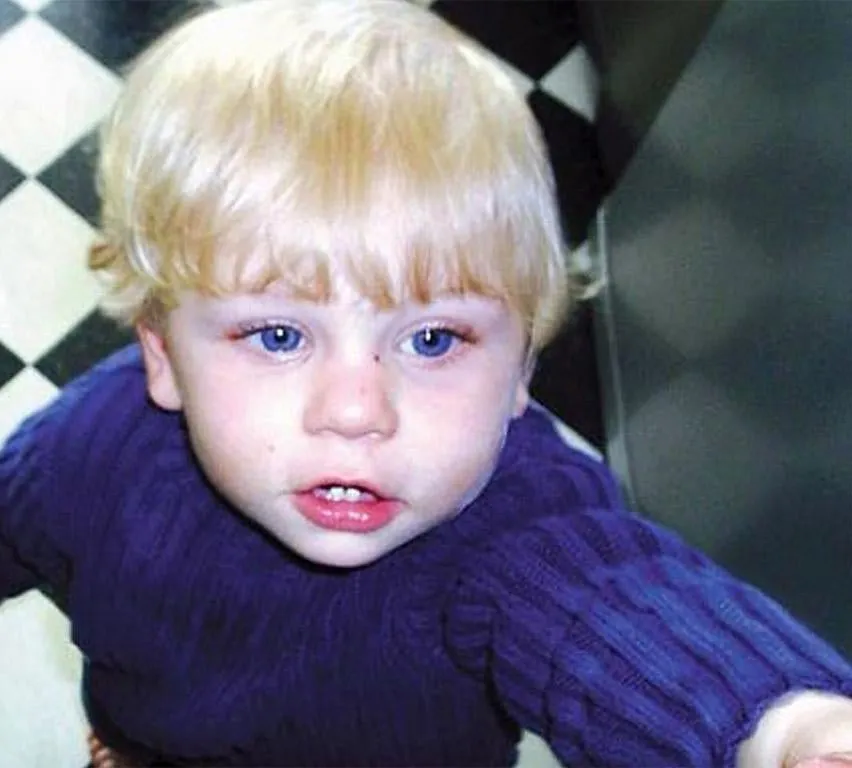 Photo: Baby P, via static.independent.co.uk
 Photo: Victoria Climbié, via static.wixstatic.com
The latest addition to this catalogue of shame comes from a serious case review published last month, which found that a six-year-old girl suffered months of horrific abuse because professionals were 'overly respectful of cultural practices' and 'reluctant to challenge parenting approaches that might be considered normal within certain communities.' The child died from injuries that multiple agencies had opportunity to prevent.
The Ideology of Inaction
This isn't about isolated incidents or individual failings — it's about systemic dysfunction created by decades of diversity training, cultural competency courses, and equality legislation that have taught public sector workers to second-guess their professional instincts whenever minority communities are involved.
The 2014 Jay Report into child sexual exploitation in Rotherham laid bare the consequences of this mindset. Despite receiving more than 100 reports of suspected abuse, South Yorkshire Police and Rotherham Council failed to act on clear evidence because, as the report stated, there was 'a nervousness about identifying the ethnic origins of perpetrators for fear of being thought racist.'
Similar patterns emerged in Telford, Oxford, and Rochdale. In each case, the common thread wasn't individual prejudice but institutional paralysis — a systematic reluctance to apply normal safeguarding standards when doing so might invite accusations of racism or cultural insensitivity.
The Training Trap
The roots of this dysfunction lie in the transformation of social work training over the past two decades. What was once a profession focused on practical child protection has become obsessed with 'anti-oppressive practice,' 'cultural competence,' and 'unconscious bias' awareness.
Social work students now spend more time learning about privilege theory than child development, more hours discussing microaggressions than recognising signs of physical abuse. The result is a generation of practitioners who approach every case through the lens of identity politics rather than child welfare.
A leaked training document from Birmingham Children's Services, obtained through Freedom of Information requests, instructs social workers to consider whether their concerns about a family might be influenced by 'racist assumptions about parenting styles' before taking action. Another module warns against 'pathologising cultural practices' that might seem concerning to 'white, middle-class professionals.'
This isn't sensitivity training — it's paralysis programming.
The Evidence Base
The statistics tell their own story. Ofsted's annual report shows that children from minority ethnic backgrounds are 34% more likely to remain on child protection plans for longer than 18 months, suggesting either that their cases are more complex or that professionals are more reluctant to make decisive interventions.
Meanwhile, serious case reviews consistently identify 'professional anxiety about cultural issues' as a contributing factor in child deaths. The Association of Directors of Children's Services admits that 'cultural sensitivity' concerns are raised in approximately 40% of cases involving minority families — compared to virtually zero in cases involving white British families.
This disparity isn't evidence of cultural differences in parenting — it's evidence of professional discrimination in reverse. Children from minority backgrounds are being denied the same protection afforded to their white peers because their social workers are too worried about appearing prejudiced to apply consistent standards.
The Human Cost
Behind these statistics lie individual tragedies that could have been prevented. Eight-year-old Victoria Climbié died after social workers failed to investigate clear signs of abuse, partly because they accepted her great-aunt's explanation that ritual scarring was 'cultural.' Baby P's death followed multiple missed opportunities by professionals who were, according to the serious case review, 'over-impressed by the mother's articulate presentation' and reluctant to challenge what they perceived as 'alternative lifestyle choices.'
More recently, the death of a teenage girl in Lancashire prompted a serious case review that found social workers had failed to recognise forced marriage preparations as abuse, instead viewing them as 'cultural arrangements' that required 'sensitive handling' rather than immediate intervention.
Each of these children might be alive today if professionals had applied the same standards they routinely apply to white British families.
The Professional Response
When confronted with these failures, the social work establishment typically responds with calls for more training, better cultural awareness, and enhanced sensitivity. This misses the point entirely. The problem isn't insufficient cultural knowledge — it's the elevation of cultural considerations above child welfare.
The British Association of Social Workers continues to promote 'culturally responsive practice' as the solution to safeguarding failures, apparently oblivious to the fact that cultural responsiveness is precisely what's preventing effective child protection.
Meanwhile, individual social workers report feeling trapped between competing demands: protect children while avoiding any action that might be construed as discriminatory. In this impossible position, many choose the path of least resistance — which invariably means leaving vulnerable children in dangerous situations.
The Democratic Deficit
Perhaps most troubling is how this dysfunction has been imposed without democratic consent. Parents of all backgrounds expect their children to receive equal protection from abuse, regardless of their cultural background. Yet social work practice has been revolutionised according to academic theories that most voters have never heard of, let alone endorsed.
When pressed on these issues, ministers typically deflect to 'operational independence' or promise better training. But this isn't about operational details — it's about fundamental principles. Should child protection be colour-blind or culturally sensitive? Should professional judgment be guided by evidence or ideology?
These are political questions that deserve political answers.
The Path Back
Reforming child safeguarding requires acknowledging an uncomfortable truth: treating children differently based on their ethnic background, even with good intentions, is discriminatory and dangerous. Cultural practices that harm children are abuse, regardless of their traditional significance.
This means scrapping cultural competency requirements that prioritise sensitivity over safety, ending diversity training that teaches social workers to doubt their professional judgment, and returning to evidence-based practice that puts child welfare above all other considerations.
It means accepting that some cultural practices are incompatible with British standards of child protection — and that saying so isn't racist but essential.
Most importantly, it means recognising that every child deserves the same standard of protection, regardless of their family's background, beliefs, or cultural practices.
When ideology trumps child welfare, children die — and no amount of cultural sensitivity can justify that outcome.