Across Britain, town centres are dying a death of a thousand cuts — and increasingly, those cuts are being made by well-meaning council planners wielding paint pots and concrete bollards. From Canterbury to Cambridge, local authorities are spending millions of taxpayer pounds on cycle lanes and Low Traffic Neighbourhoods (LTNs) that promise a greener, cleaner future but deliver gridlocked streets, shuttered shops, and furious residents.
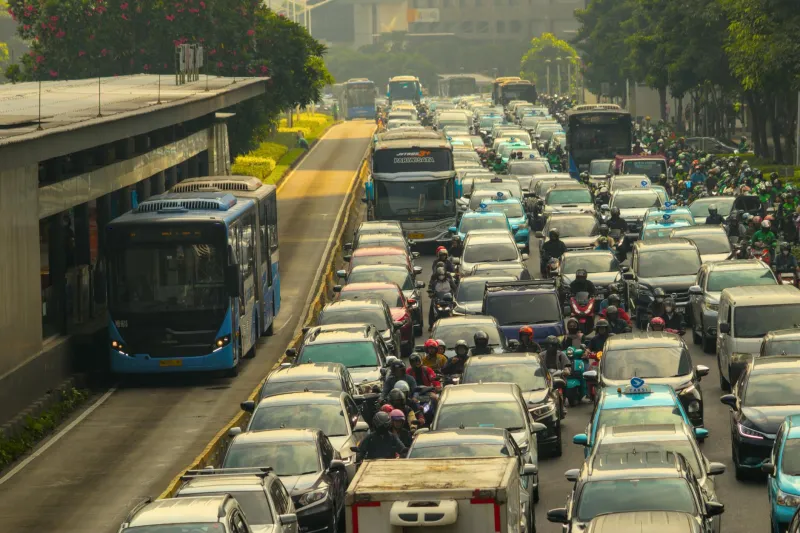
The latest casualty is Canterbury's High Street, where Kent County Council's £2.8 million cycling scheme has reduced four lanes of traffic to two, creating permanent congestion that has seen footfall plummet by 23% according to local business groups. Similar stories echo from Hackney to Hereford: Oxford Street traders report revenue drops of up to 40% since cycle lanes reduced parking and deliveries, while Birmingham's cycle superhighway has turned the A38 into a permanent traffic jam.
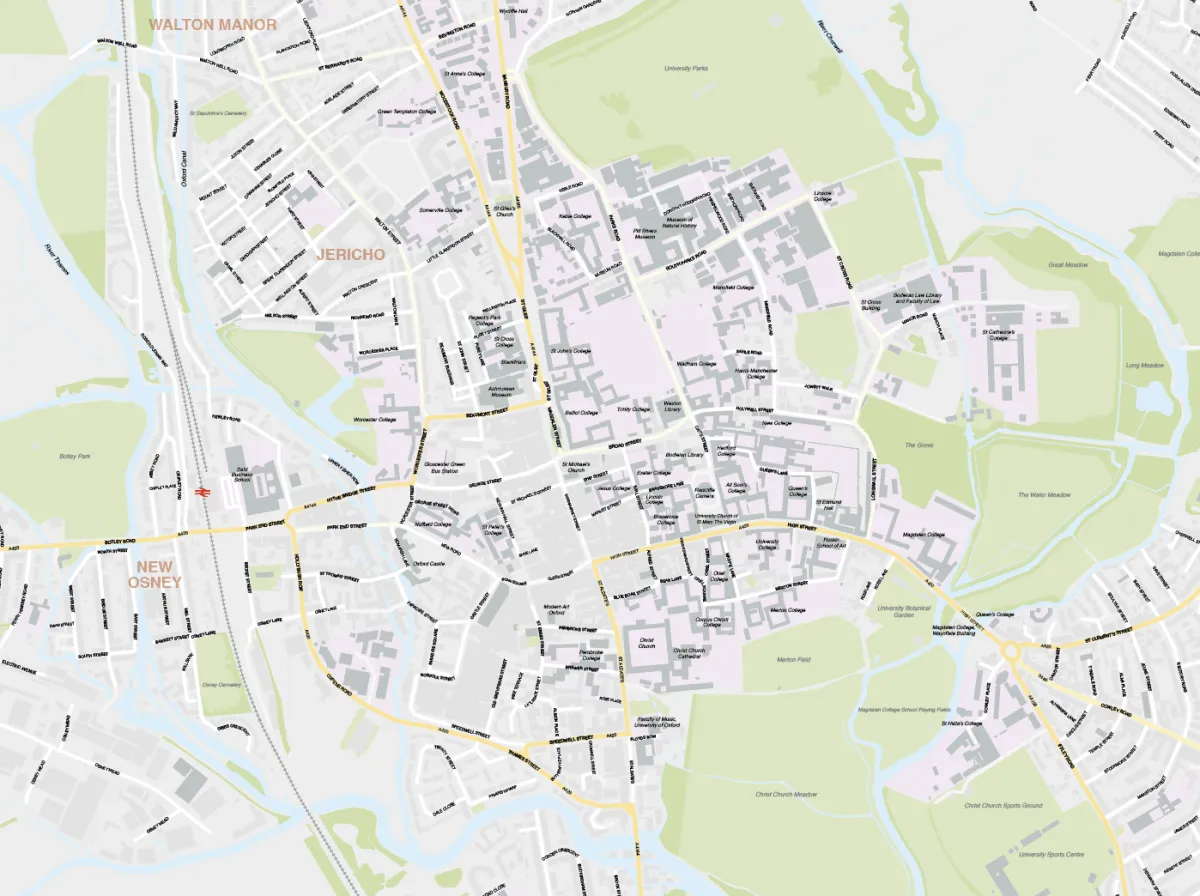 Photo: Oxford Street, via maproom.net
The Democratic Deficit
What makes this particularly galling is the contempt shown for local democracy. In constituency after constituency, residents' associations, business groups, and elected councillors have voiced opposition to these schemes — only to be steamrollered by transport planners who treat public consultation as a box-ticking exercise rather than genuine democracy.
Take Wandsworth's LTN programme, where 68% of respondents to the council's own consultation opposed the measures. The response? Implementation proceeded anyway, with officials citing 'climate emergency' declarations and national transport guidance. When democracy becomes inconvenient to the green agenda, it seems democracy must give way.
This reveals the fundamental problem: these aren't transport policies but ideological projects. The goal isn't to improve mobility but to reshape behaviour, forcing car-dependent families onto bikes through artificial congestion and inconvenience. It's social engineering disguised as environmental policy.
The Pollution Paradox
Even more damning is the mounting evidence that LTNs often increase pollution rather than reducing it. Imperial College London's analysis of Hackney's schemes found that while air quality improved on filtered roads (hardly surprising when you ban cars), pollution increased significantly on boundary roads where displaced traffic concentrates.
 Photo: Imperial College London, via www.e-architect.com
The same pattern emerges everywhere: cycle lanes that force buses and delivery vans into single-file crawls, creating diesel-belching traffic jams that pump out more emissions than free-flowing traffic ever did. Meanwhile, the emergency services report increased response times navigating the maze of bollards and barriers.
A recent study by the Centre for Policy Studies found that London's LTNs had increased average journey times by 34% while reducing cycling uptake by just 2.1% — hardly the modal shift revolution promised by advocates.
The Minority Rule
Perhaps most troubling is who these policies actually serve. Department for Transport figures show that just 3% of journeys in Britain are made by bicycle, yet cycling infrastructure now commands a disproportionate share of transport budgets. The typical LTN serves a narrow demographic: affluent, young professionals who can cycle to work and don't need cars for school runs, elderly relatives, or heavy shopping.
Meanwhile, the costs fall heaviest on those least able to bear them. Small businesses lose customers who can't park nearby. Elderly and disabled residents find themselves cut off from essential services. Working families face longer commutes and higher fuel costs as they're forced into lengthy detours.
This is regressive policy dressed up as progressive politics — the urban equivalent of Marie Antoinette suggesting the poor eat cake, except here the message is: let them ride bikes.
The Business Burial Ground
The economic carnage is undeniable. The British Retail Consortium reports that high street footfall is down 12% in areas with new cycling infrastructure compared to control areas. Canterbury's Whitefriars shopping centre saw visitor numbers drop 18% following the cycle lane installation, while independent traders report delivery costs rising by up to 30% as suppliers struggle with restricted access.
Councillors defend these schemes by pointing to cycling advocates' surveys showing increased bike usage on new infrastructure. But this misses the point: building a cycle lane will always generate some cycling, just as building a motorway generates traffic. The question is whether the benefits justify the costs — and increasingly, the answer is a resounding no.
The Way Forward
None of this means opposing sensible cycling infrastructure. Well-designed cycle paths that don't compromise existing transport networks can benefit everyone. But that requires genuine consultation, cost-benefit analysis, and respect for democratic opposition.
Instead, we have ideological planners imposing pet theories on unwilling communities, supported by central government guidance that treats cycling as an unqualified good regardless of local circumstances. The result is policy-making by slogan rather than evidence.
It's time to call a halt to this madness. Local authorities should be required to demonstrate clear public support before implementing traffic restrictions, conduct proper economic impact assessments, and reverse schemes that fail to deliver promised benefits. Transport policy should serve all road users, not just the lycra-clad few.
The bike lane boondoggle represents everything wrong with modern governance: unaccountable officials pursuing ideological agendas while democratic opposition is dismissed as ignorance or selfishness.