The Arts Council's Diversity Dividend: How Britain's Cultural Establishment Traded Excellence for Ideology
The Great Cultural Transformation
Arts Council England, the quango responsible for distributing £445 million of taxpayer money annually to cultural organisations, has undergone a quiet revolution. What was once an institution dedicated to supporting artistic excellence has transformed into an ideological enforcement mechanism, where funding decisions are increasingly driven by diversity quotas rather than cultural merit.
 Photo: Arts Council England, via d3s3zh7icgjwgd.cloudfront.net
The evidence is stark. In its latest funding round, Arts Council England explicitly stated that organisations must demonstrate "relevance to diverse communities" and show "leadership in equality, diversity and inclusion" to qualify for support. This isn't a gentle encouragement towards broader representation—it's a mandatory political test that treats art as a vehicle for social engineering rather than an expression of human creativity.
Following the Money Trail
Examining the Arts Council's recent funding decisions reveals a pattern that should concern anyone who believes in artistic freedom. Traditional institutions—from regional orchestras to heritage theatres—have seen their funding slashed or made conditional on adopting progressive programming. Meanwhile, organisations with explicit diversity mandates have seen their grants increase substantially.
The English National Opera, a world-renowned institution with a 150-year history, had its core funding removed entirely in 2022, officially due to "strategic priorities" but coinciding with pressure to relocate and diversify its programming. Contrast this with the £3.4 million awarded to organisations specifically focused on "decolonising" arts spaces or promoting "social justice through creativity."
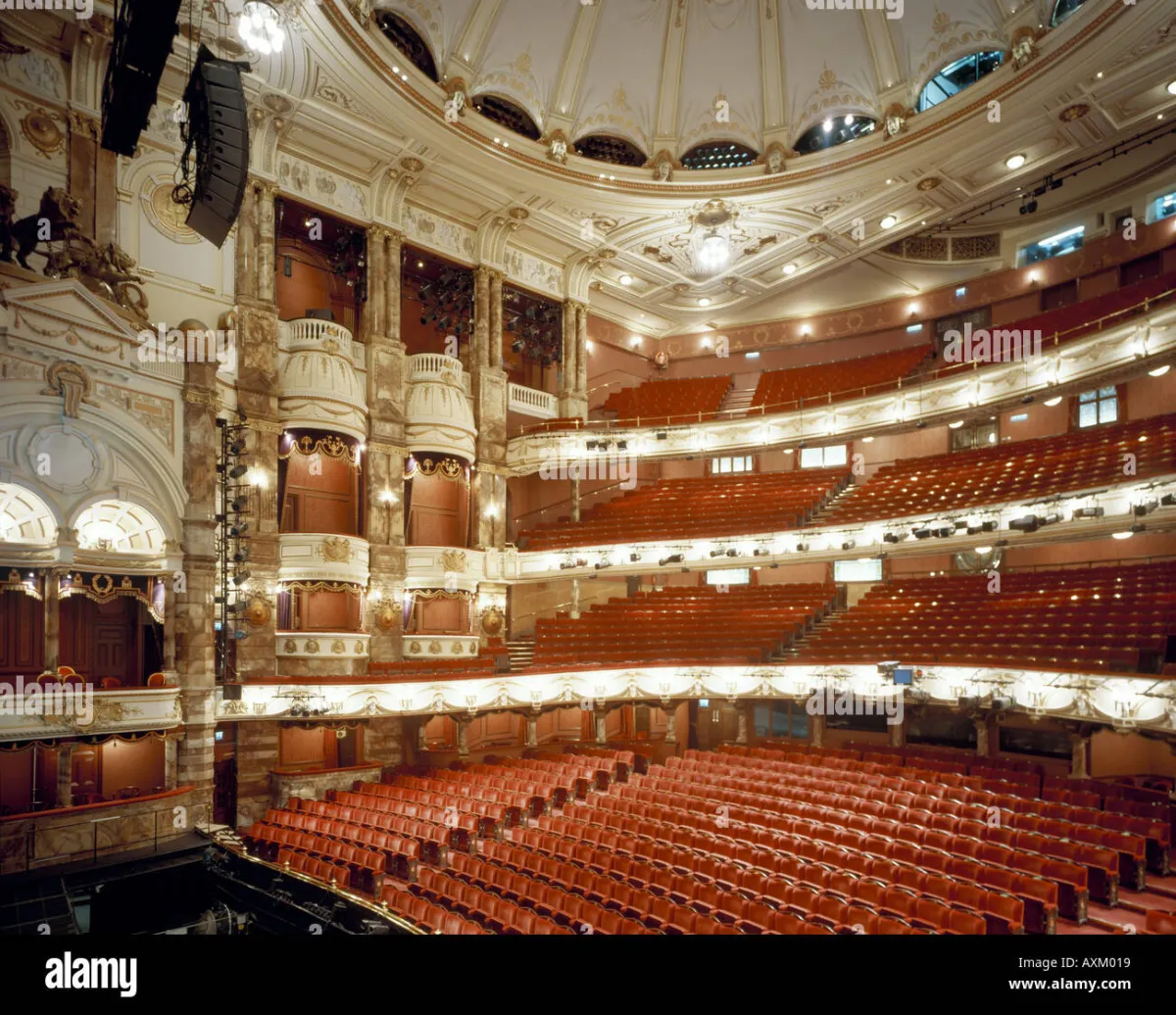 Photo: English National Opera, via c8.alamy.com
The Arts Council's own diversity statistics tell the story. In 2023, 43% of its National Portfolio Organisations were led by individuals from ethnic minority backgrounds—a figure that would be remarkable if it reflected genuine merit-based selection, but troubling if it suggests quotas are driving decisions. When artistic excellence becomes secondary to demographic representation, British culture suffers.
The Ideological Capture
The problem runs deeper than funding allocation. Arts Council England's leadership and advisory panels have been systematically populated with activists who view culture through an explicitly political lens. The organisation's current strategic framework speaks not of beauty, truth, or artistic achievement, but of "anti-racism," "intersectionality," and "systemic change."
This represents a fundamental misunderstanding of art's purpose. Great culture transcends political categories—it speaks to universal human experiences that unite rather than divide. When funding bodies demand that every theatrical production, every gallery exhibition, every musical performance serve a predetermined ideological agenda, they reduce art to propaganda.
Consider the fate of the National Trust, which receives substantial Arts Council support for its cultural programming. Once focused on preserving Britain's heritage, it now produces exhibitions that frame country houses primarily through the lens of slavery and colonialism, treating centuries of British history as a source of shame rather than wonder.
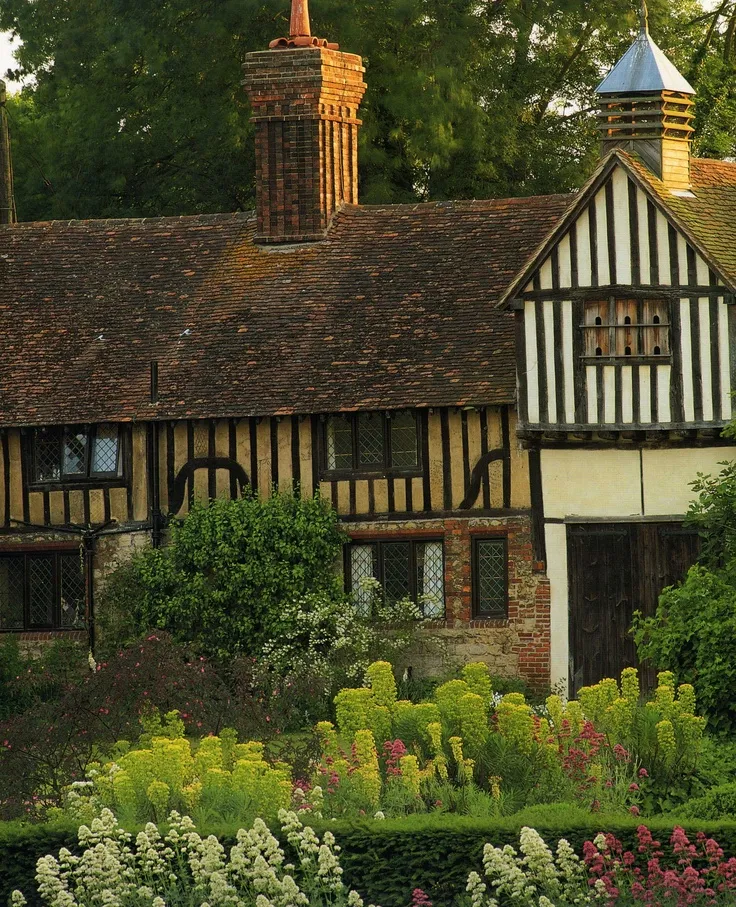 Photo: National Trust, via i.pinimg.com
The Conservative Case for Cultural Excellence
Culture matters because it shapes how societies understand themselves. When public funding systematically promotes narratives that diminish British achievements and traditions, it undermines the very foundations of national identity that conservatives seek to preserve.
This isn't an argument against diversity in the arts—talent exists across all communities, and Britain's cultural landscape should reflect that reality. But there's a crucial difference between removing barriers to participation and actively discriminating in favour of particular groups or viewpoints. The former promotes excellence; the latter corrupts it.
The Arts Council's approach also represents poor value for taxpayers. Public funding should support institutions that enhance Britain's cultural standing globally, not organisations whose primary qualification is adherence to fashionable political theories. When the Royal Shakespeare Company spends more time deconstructing the Bard than celebrating him, something has gone seriously wrong.
International Embarrassment
Britain's cultural soft power, built over centuries, is being systematically dismantled by bureaucrats who mistake political correctness for progress. While other nations celebrate their artistic heritage, we're teaching our children to be ashamed of ours. This self-flagellation makes Britain look weak on the world stage and undermines our influence in international forums.
The irony is profound: in the name of inclusion, the Arts Council is excluding vast swathes of British society who no longer see their values reflected in publicly funded culture. Rural communities, traditional families, and anyone with conservative social views increasingly find themselves cultural outsiders in their own country.
The Path Forward
Reforming Arts Council England requires more than tweaking funding criteria—it demands a fundamental reset of priorities. Cultural funding should return to its core mission: supporting excellence, preserving heritage, and fostering creativity without political strings attached.
This means ending mandatory diversity requirements, removing ideological tests from funding applications, and appointing board members based on cultural expertise rather than activist credentials. It means recognising that British culture has achievements worth celebrating, not just historical sins requiring endless apology.
Most importantly, it means understanding that art's highest purpose is not to advance political causes but to elevate the human spirit. When public funding serves ideology rather than excellence, both art and democracy suffer.
The Arts Council's current trajectory represents a betrayal of both artistic freedom and taxpayer trust—a combination that no conservative government should tolerate.